Elemental Cleaning Protocols

Transform your living space using natural chemistry and household ingredients. Discover the molecular approach to spring cleaning.

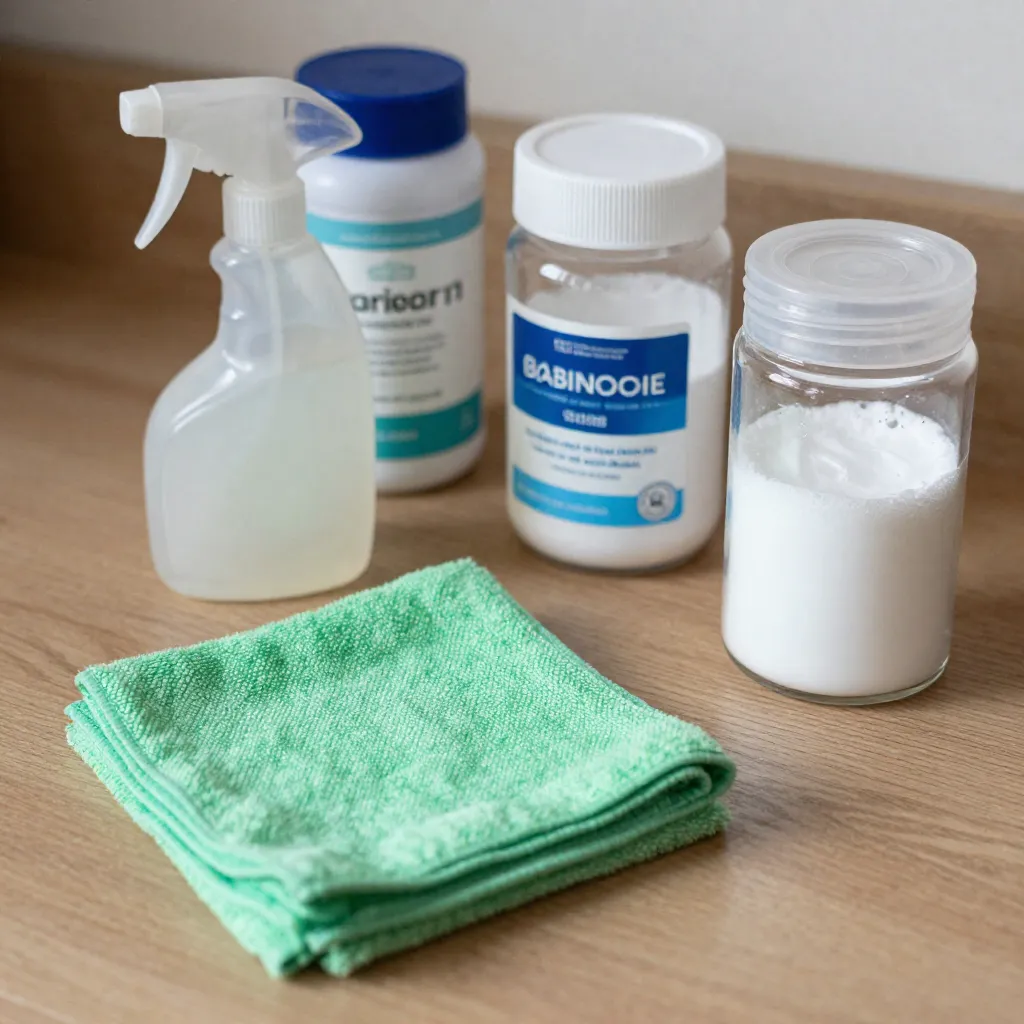
Natural cleaning ingredients arranged in laboratory style

The Periodic Table of Ingredients

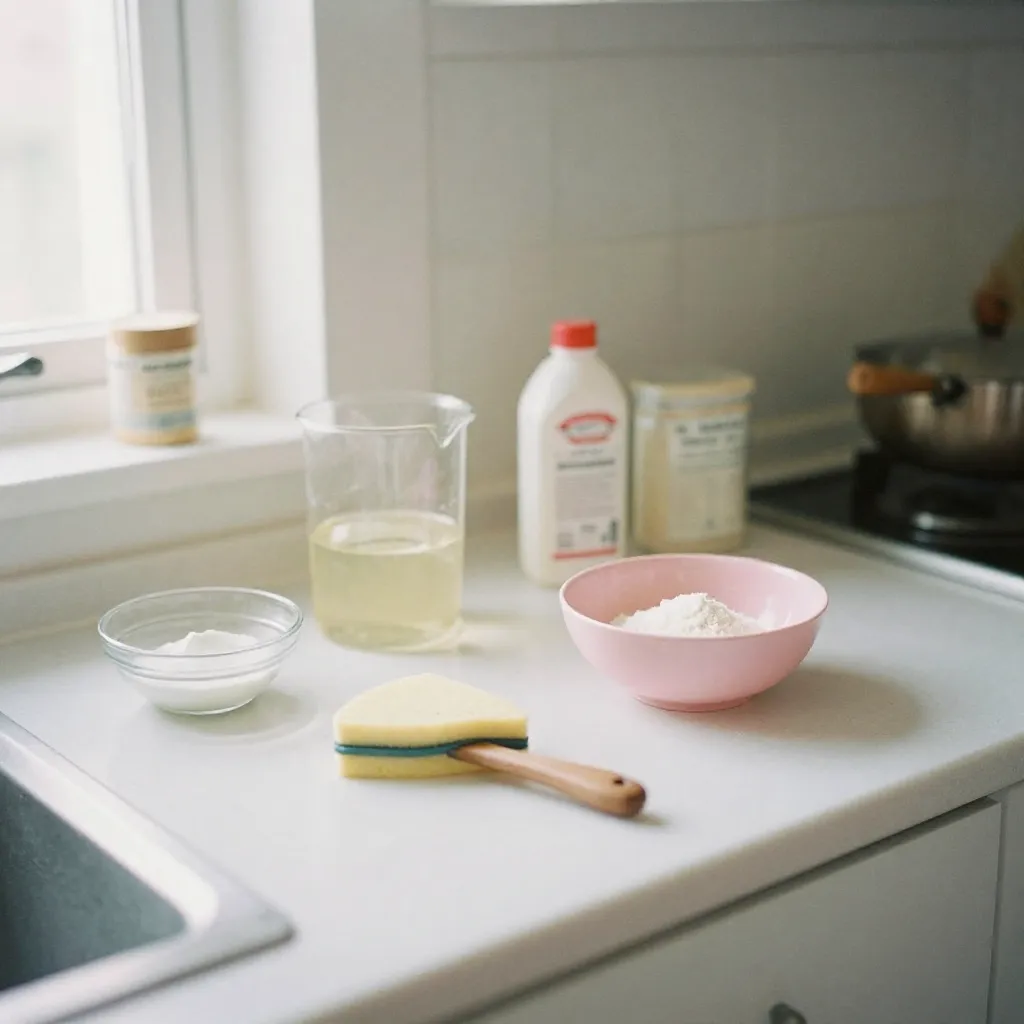
Sodium bicarbonate cleaning applications

Sodium Bicarbonate

A versatile base element with multiple cleaning potentials. Effective for abrasion, deodorization, and neutralization processes. Commonly found in household pantries.
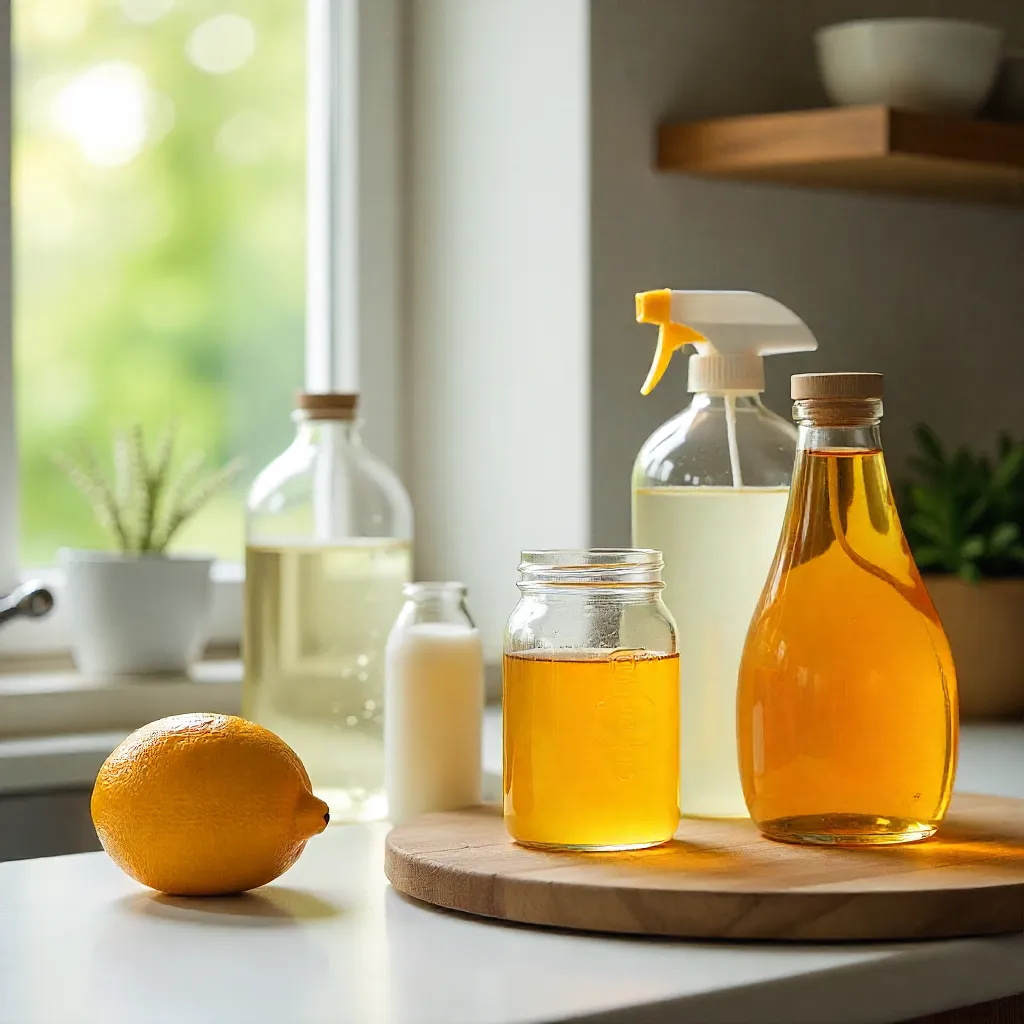
Acetic acid solutions for surface cleaning

Acetic Acid Solution

A natural acidic compound that breaks down mineral deposits and organic residues. Ideal for glass surfaces and kitchen applications.
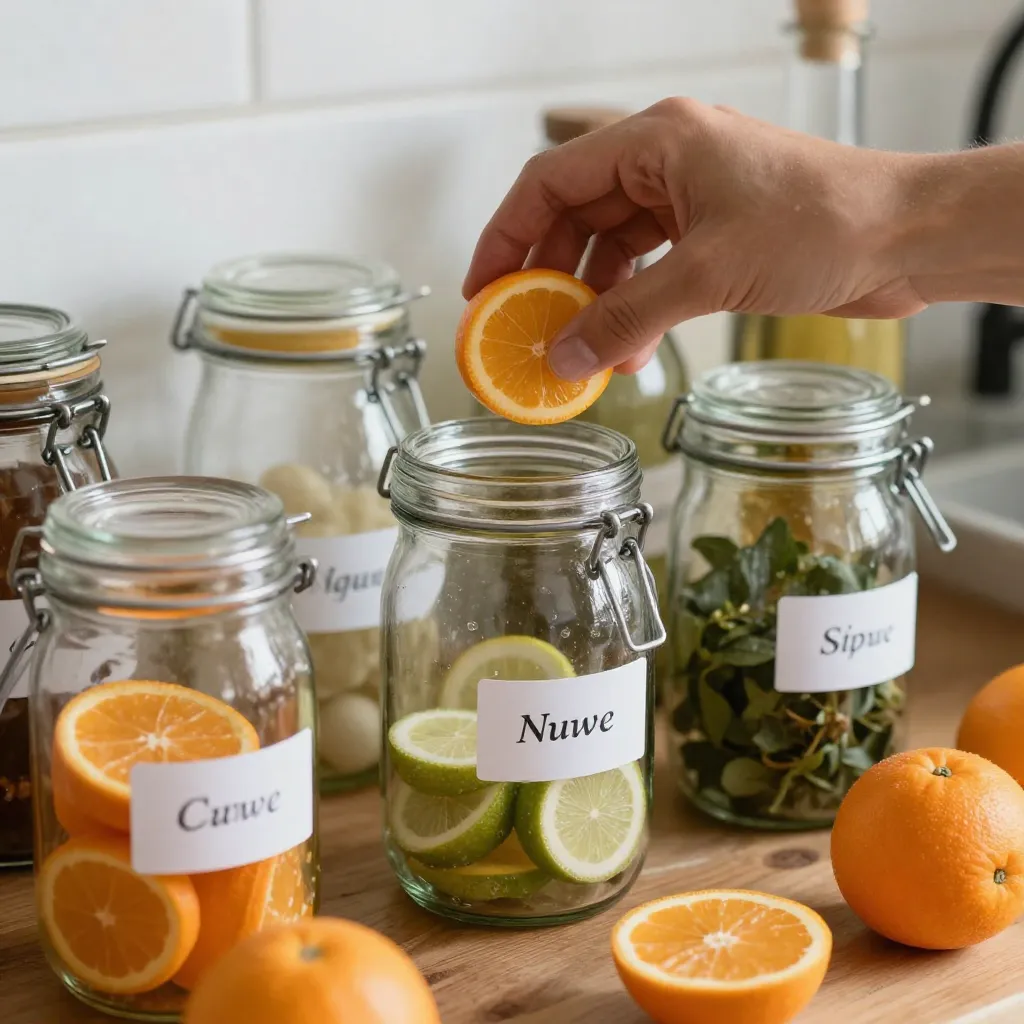
Citrus-based cleaning compounds

Citrus Extracts

Natural solvents derived from citrus fruits. These compounds provide pleasant aromas while effectively cutting through grease and grime.

Seasonal Reboot Roadmap

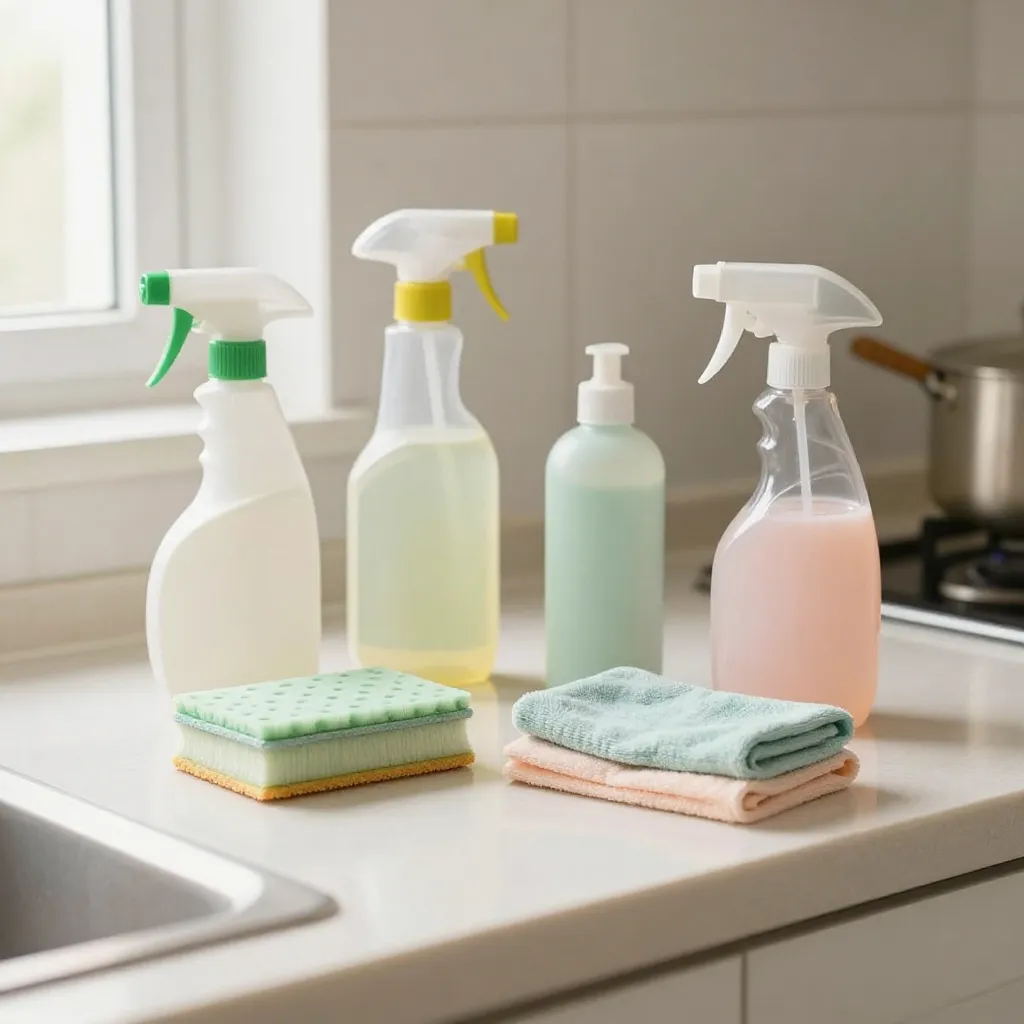
Kitchen laboratory cleaning zone

Kitchen Laboratory

The primary workspace requires systematic attention. Focus on surfaces, storage areas, and equipment maintenance using natural protocols.

Living zone organization and cleaning

Living Zone

Common areas benefit from regular maintenance cycles. Implement dust reduction strategies and surface treatment protocols.

Sleeping pod maintenance routine

Sleeping Pod

Rest areas require gentle cleaning approaches. Use mild solutions and proper ventilation during maintenance procedures.

Molecular Mixing Laboratory

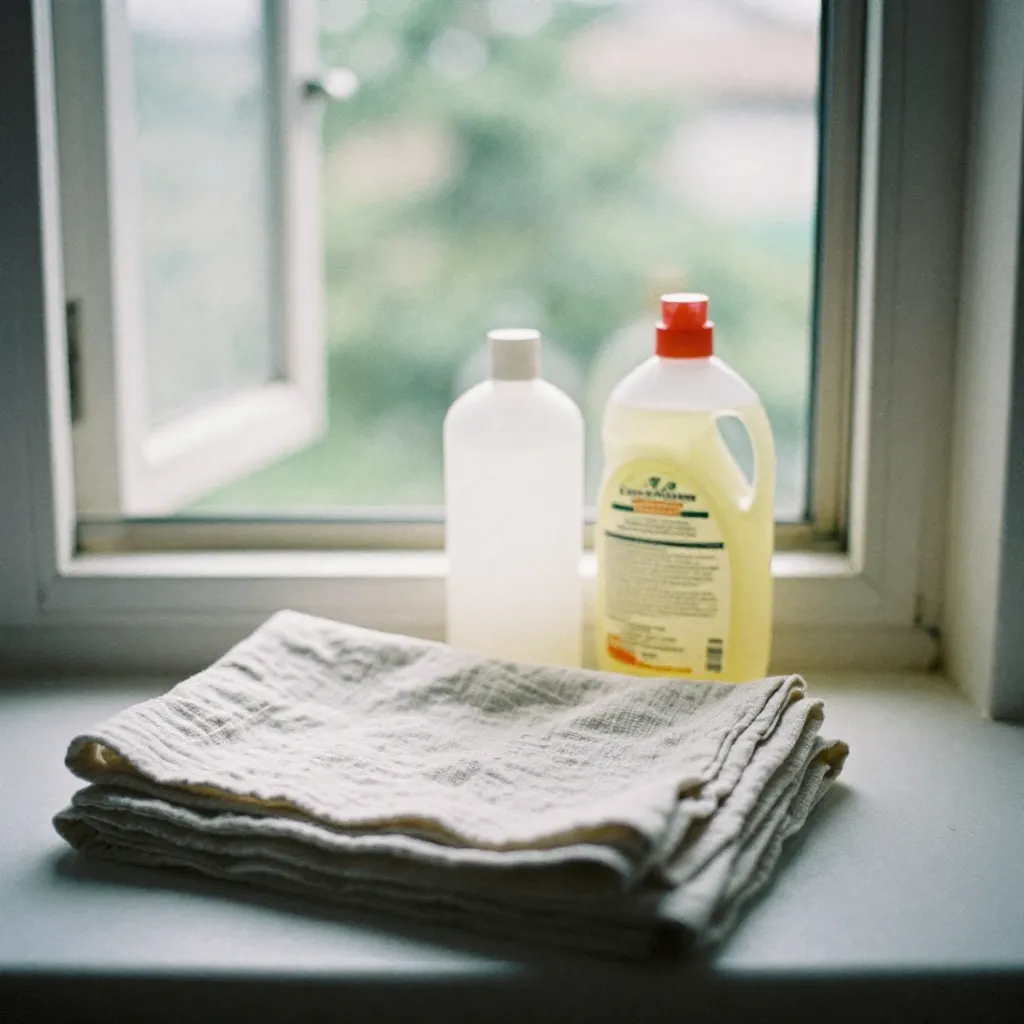
DIY cleaning solution preparation

Window Purification Protocol

Combine acetic acid solution with water in specific ratios. Apply using microfiber materials for optimal clarity and streak-free results.

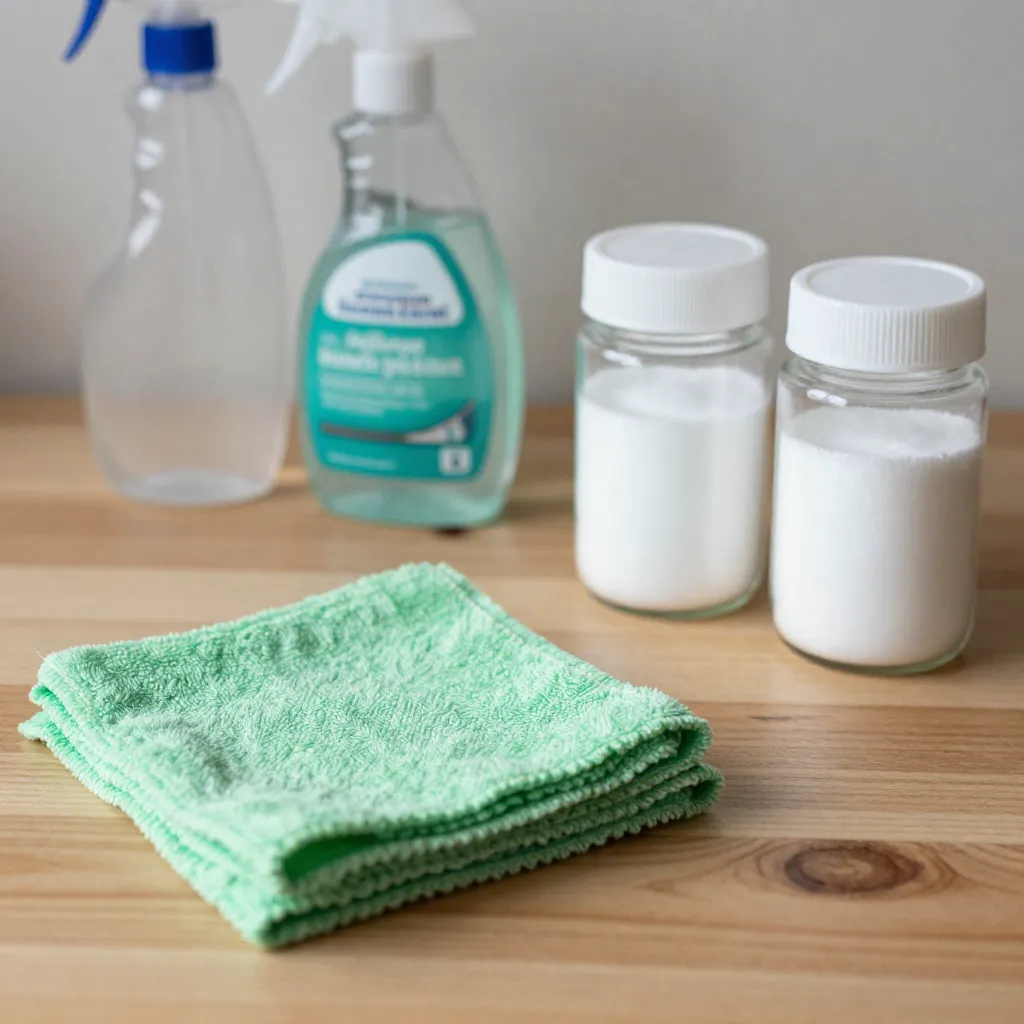
Surface cleaning mixture preparation

Surface Treatment Formula

Create effective cleaning solutions by combining base elements with water. Adjust concentrations based on surface type and soil level.

Cleaning Potentials Analysis

Understanding the chemical properties of common household ingredients enables more effective cleaning strategies.

Abrasion Properties

Certain compounds provide gentle abrasive action suitable for removing stuck-on residues without damaging surfaces. Sodium bicarbonate and salt crystals are effective examples.

Deodorization Mechanisms

Natural ingredients can neutralize odors through chemical reactions. Baking soda absorbs odors, while citrus extracts mask unpleasant smells.

Neutralization Processes

Acidic and basic compounds can neutralize each other, breaking down stubborn deposits. This principle applies to various cleaning scenarios.

Implementation Guidelines

Safety Protocols

Always test cleaning solutions on small, inconspicuous areas first. Ensure proper ventilation during cleaning procedures. Store ingredients in clearly labeled containers.

Efficiency Methods

Organize cleaning tasks by zone and priority. Work systematically from top to bottom. Allow adequate time for solutions to work before rinsing.

Maintenance Cycles

Establish regular maintenance schedules to prevent buildup. Weekly light cleaning reduces the need for intensive seasonal procedures.

Advanced Cleaning Techniques

Steam cleaning techniques

Steam Application Methods

Steam can enhance the effectiveness of natural cleaning solutions. The heat helps break down grease and grime while the moisture activates cleaning agents. Use steam in combination with vinegar solutions for optimal results.

Soaking techniques for tough stains

Soaking Protocols

For heavily soiled items, create a soaking solution using warm water and baking soda. Allow items to soak for several hours or overnight. This method is particularly effective for removing built-up residues.

Multi-step cleaning processes

Multi-Step Processes

Some cleaning challenges require multiple steps. Start with a dry method like brushing or vacuuming, then apply a cleaning solution, let it work, and finish with a rinse and dry step for complete results.

Environmental Considerations

Eco-friendly cleaning practices

Reduced Chemical Impact

Natural cleaning ingredients break down more easily in the environment compared to synthetic chemicals. This reduces the long-term impact on water systems and soil quality.

Sustainable cleaning approach

Sustainable Sourcing

Household ingredients are typically sourced locally and have minimal packaging waste. This approach supports a more sustainable cleaning routine that reduces your environmental footprint.

Indoor air quality improvement

Indoor Air Quality

Natural cleaning solutions don't release volatile organic compounds that can affect indoor air quality. This creates a healthier environment for your household.

Begin Your Cleaning Protocol

Explore our resources and discover natural cleaning methods that work with your household ingredients.

Contact Us

Privacy & Cookies

We use cookies to enhance your browsing experience. By continuing to use this site, you consent to our use of cookies. Learn more